

When it comes to workplace safety, one term always pops up, HIRARC. It stands for Hazard Identification, Risk Assessment and Risk Control. Sounds technical? Don’t worry, it’s actually a simple and practical way of keeping people safe at work.
At its core, risk assessment is about staying one step ahead. It’s the process of asking: What could go wrong? How bad could it be? And what can we do to prevent it? Instead of waiting for accidents to happen, risk assessment helps us take preventive action.
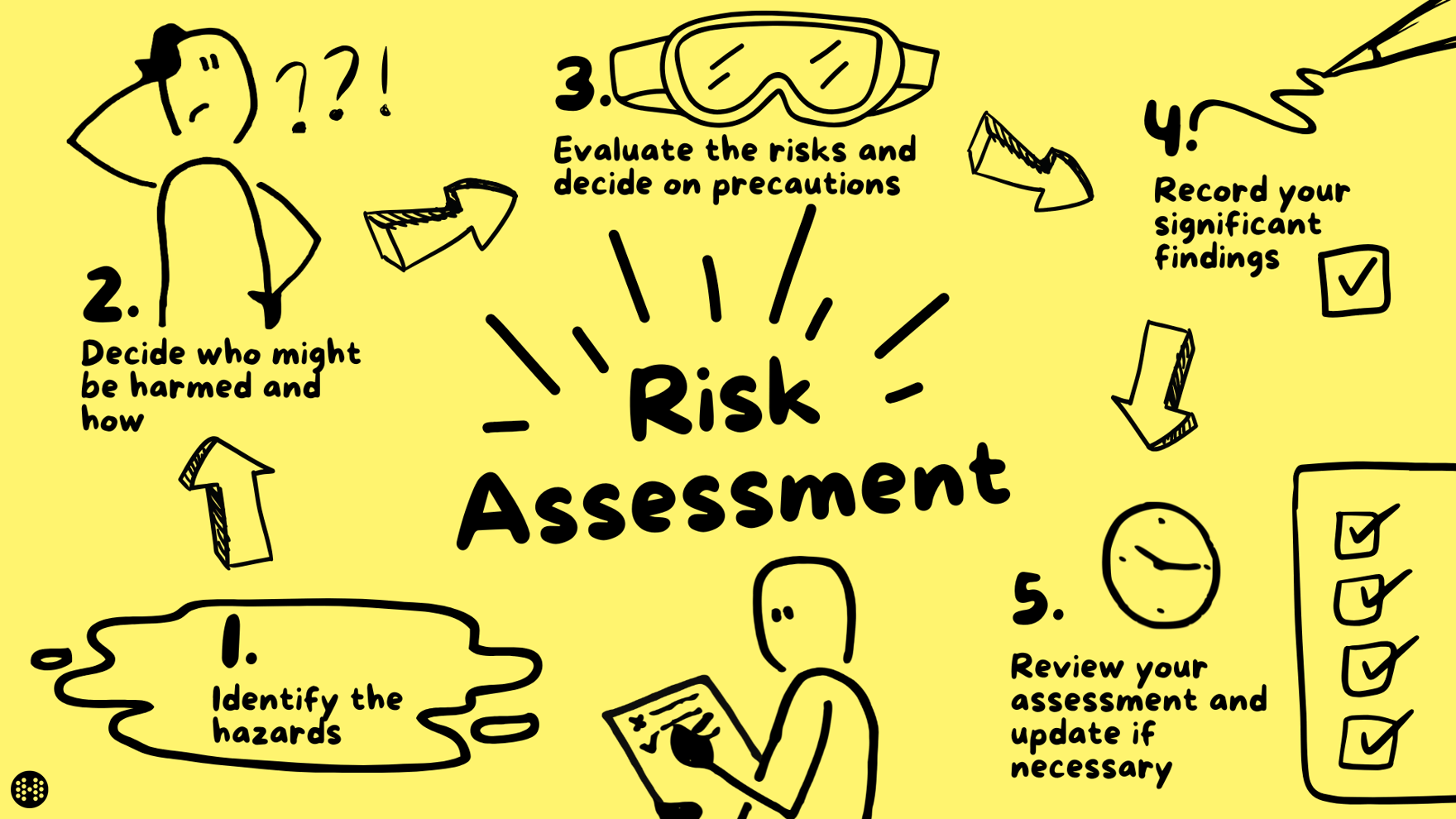
Risk assessment is a structured process to ensure workplace safety. It begins with identifying hazards, which are anything that can cause harm; from slippery floors and heavy machinery to chemicals or even stress. Next, we look at the risk, meaning the likelihood that something will happen and how serious the outcome could be. Once that’s clear, we decide on suitable controls, such as changing work procedures, providing PPE or improving supervision.
Put simply: a hazard is the source of harm, a risk is the combination of probability and severity and a risk assessment is the systematic way to analyze hazards and decide how to control them. Without this process, safety becomes guesswork and guesswork is risky business.
People often mix up these two terms. Risk assessment is more focused; it’s the step-by-step method of identifying hazards and analyzing risks. Risk management, on the other hand, is broader. It involves not only identifying risks but also planning, implementing, monitoring and continuously improving control measures.
Think of it this way: risk assessment is the tool, while risk management is the full strategy that keeps workplaces safe in the long run.
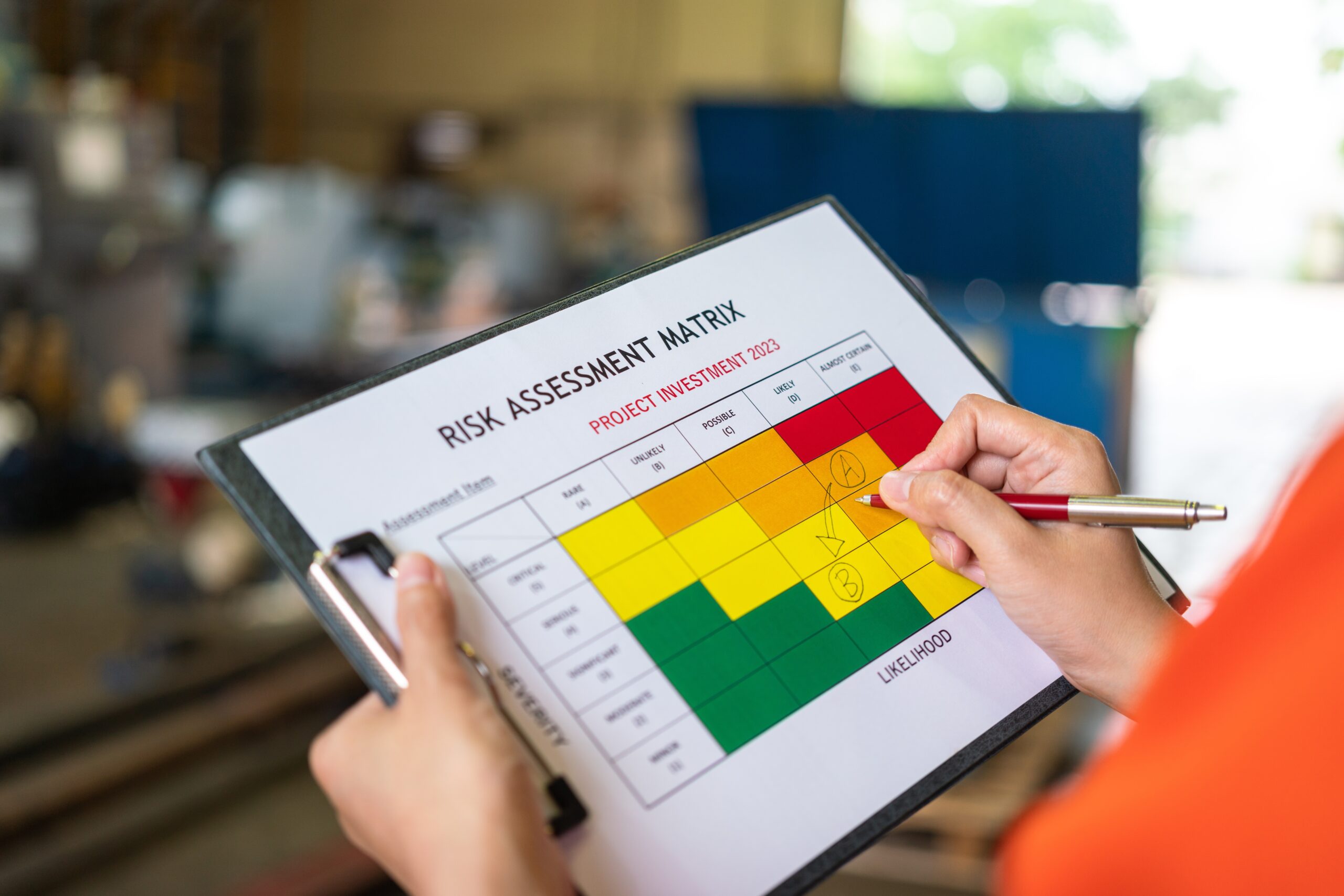
In Malaysia, risk assessment is not just “best practice”; it’s the law. Under the Occupational Safety and Health Act 1994 (Amendment 2022), employers are required to proactively assess and control risks in the workplace.
The amended Act also comes with heavier penalties. Companies that fail to carry out proper risk assessments may face fines of up to RM500,000 or even imprisonment if an accident occurs. The law applies across all industries and puts strong emphasis on having documented risk assessments. In short, compliance is no longer optional — it’s mandatory.
Workplace safety is a shared responsibility. Employers must provide safe systems of work, conduct proper risk assessments, supply PPE and ensure employees receive training and supervision. Employees, on the other hand, are expected to follow safety procedures, use the PPE provided correctly and report any hazards or unsafe conditions they notice.
In other words, safety only works when everyone plays their part. It’s a team effort, one side cannot do it alone.
One key concept in safety is “ALARP : As Low As Reasonably Practicable”. It’s a reminder that while it’s impossible to eliminate all risks, we must reduce them to the lowest level that is reasonably achievable.
High risks must always be addressed immediately because they pose serious dangers. Medium risks should be controlled as much as possible, until further reduction becomes unreasonable in terms of time, cost or effort. Low risks may be tolerable, but they still need to be monitored to prevent escalation. ALARP is about balancing safety with practicality, without cutting corners.
When done properly, HIRARC is much more than a legal requirement. It prevents accidents, protects lives and ensures smooth, uninterrupted operations. A safe workplace is also a more productive workplace, where employees feel secure and motivated to do their best.
At the end of the day, HIRARC isn’t just about documents or compliance. It’s about people. It’s about making sure everyone from the office to the factory floor to the construction site; gets home safely every single day.